

A report by the RBI’s CAFRAL has linked the growth of digital lending in the fintech sector to the introduction and adoption of UPI and digital payments in the country.
Key Highlights
- A 10% rise in per capita UPI transactions led to a 4.6% growth in per capita fintech lending.
- As compared to lending by Scheduled Commercial Banks, Fintech lending was strongly associated with the rise in UPI transactions.
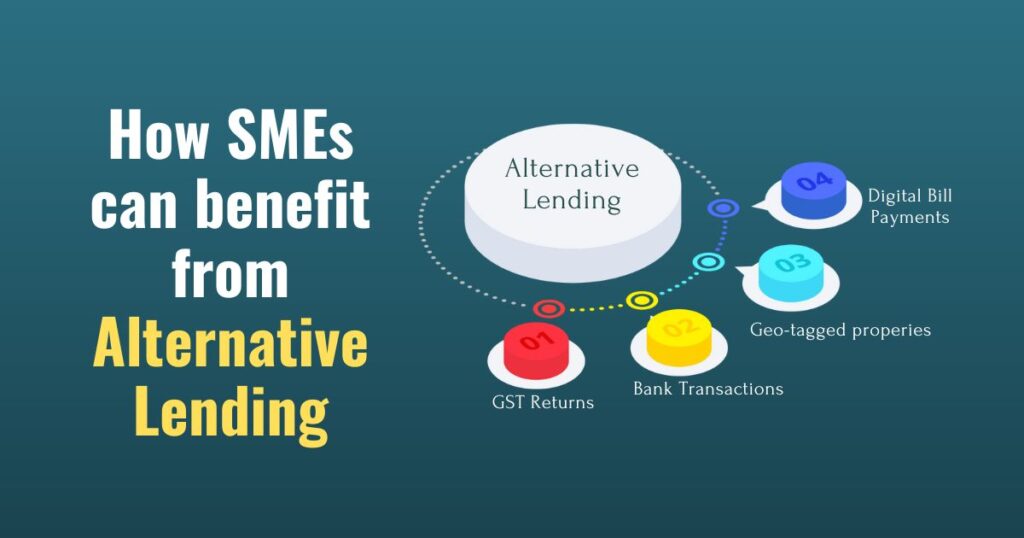
- Fintech lenders are more willing to lend by leveraging alternate data to determine the creditworthiness of borrowers.
The rise in fintech lending must be an obvious concomitant of the number of fintech players India hosts.
However, a report by the RBI’s Centre for Advanced Financial Research and Learning (CAFRAL) has posited that one of the central factors due to which fintech lending has picked up is the introduction of the Unified Payments Interface (UPI).
In an index prepared from the World Bank’s data, the report found that adoption and wider usage of digital payments led to a rise in Fintech activity globally.
In the context of India, the report juxtaposed the trend of UPI transactions from 2018 to 2022 with the log of UPI transactions against the log of Fintech lending, which showed a positive correlation.
In value terms, UPI transactions which stood at approximately INR 2,000 billion in 2018 rose to around INR 14,000 billion in 2022. A similar rise was observed in fintech lending, with both moving in tandem.
One of the digressions was however observed in the phase after the COVID-19 pandemic, which depicted a short-lived decline in digital lending in the fintech sector.
Quantitatively, the report reckons that a rise of 10% in UPI transactions per capita leads to a growth of 4.6% in fintech lending per capita.
How the report determined whether growth in Fintech lending is linked to UPI

To determine whether the growth in digital lending through the fintech industry is linked to the introduction and adoption of UPI, the report compared both fintech lending and lending through Scheduled Commercial Banks (SCBs) with trends in UPI transactions.
Scheduled Commercial Banks (SCBs) still largely rely on in-person relationships with customers to facilitate loans. In contrast, Fintech companies usually lend through digital means with minimal in-person interactions.
This allowed the report to take the relationship of lending by SCBs with UPI transactions as a baseline for comparison.
Thus, while a 10% rise in UPI transactions per capita led to a growth of 4.6% in per capita fintech lending, it led to a rise of only 1.5% in per capita lending by SCBs.
It further cites a research paper from the IMF which contended that wider adoption of UPI payments has allowed fintech lenders to use alternate data to determine the creditworthiness of borrowers, leading to an increased willingness to lend.
The report also postulated that Fintech lending could exceed traditional lending by 2030.