

Check your Credit Score for FREE without Hurting Your Score!
✅ Avail the best loan and credit offers just for you.
✅ Check your credit score with zero impact on your score.
✅ Your data is safe and secure with us.
*T&C Apply

What is a Credit Score?
A credit score reflects how reliable you are in paying back what you owe. Banks and other lenders send your repayment data to credit bureaus when you borrow money, which then calculate your credit score. Having a higher credit score increases the likelihood of obtaining loans with favorable terms.
The score is typically represented as a numerical value, reflecting an individual’s borrowing behavior and credit information from various lenders and loan products. Credit score is another term for credit rating.
In India, the Reserve Bank of India licenses four credit information companies. Credit Information Bureau (India) Limited (CIBIL), Experian, Equifax, and Highmark are the four companies mentioned. The CIBIL credit score is a numerical value consisting of three digits, starting at 300 and going up to 900, with 900 representing the highest score possible.
Benefits of a Credit Score
Lenders use a credit score to assess your creditworthiness by looking at your previous credit actions. A high credit score shows that someone is more likely to repay a loan and poses less risk to the lender. Therefore, an individual with a high credit score typically receives the following important advantages:
1. High chance of approval: Maintaining a good credit score, by which one shows responsible behavior towards credit, reduces the risks of default for the lending institution. Therefore, it increases chances of getting approved for credit or loan.
2. Lower Interest Rates: A good credit score also allows you to avail credit like personal loan, home loan, credit card at a lower interest rates provided by the lending bank.
3. Increased access to pre-approved loans: A good credit score can also enhance your prospects of getting pre-approved loans and credit card offers. Such promotions usually require minimal paperwork and offer quicker access to credit with shorter approval periods.
4. Easy access to high-class credit cards: When considering a credit card application, lenders usually base their decision on the applicant’s credit score. Therefore, if these applicants meet other conditions that provide extra benefits, such as reward points, cashback, and other services, credit card firms will be more willing to give them high-class credit cards.
5. Approval for higher loan amount/ credit card limits: Having a good credit score means an increased possibility of approval for a larger loan amount and raised credit card limits. This is because a higher score indicates lower default risk because of your prudent credit behavior.
6. Problems of getting approvals with a long tenure: More the term for the loan, higher the risk for the lenders. A high credit score will let you get more the time period for loan repayment in comparison to someone whose score is low. A loan taken for longer durations and paid back increases EMI, reduces burden every month, and could even help in better managing expenses in the month.
Also Read: What is CIBIL Dispute Resolution
List of Credit Bureau in India
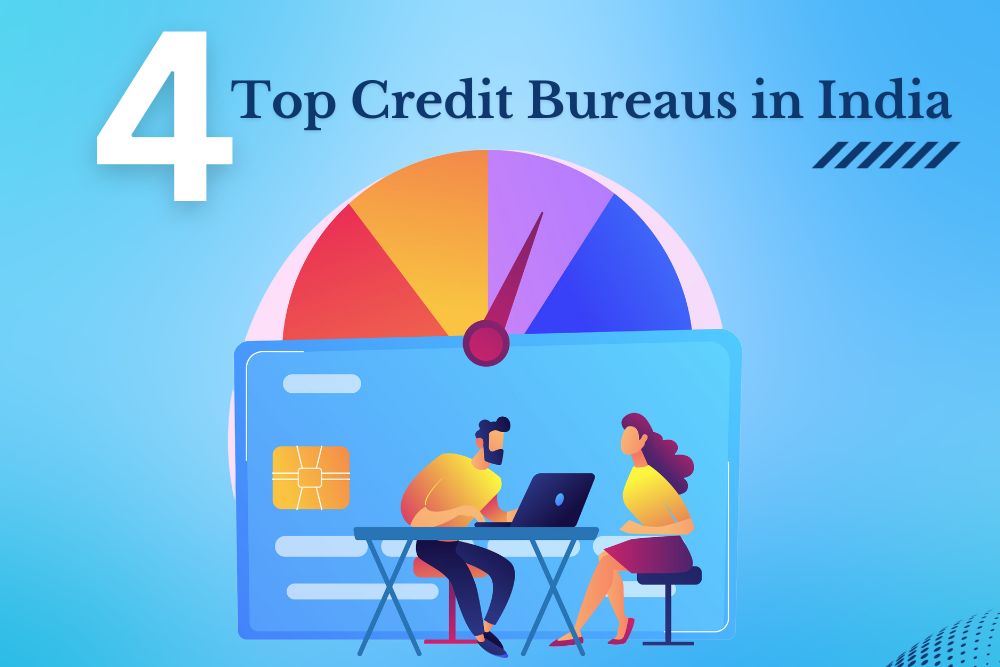
The list of top Credit Bureau in India include TransUnion CIBIL, CRIF High Mark, Experian and Equifax. These Credit Bureau play a vital role in the Indian Financial Ecosystem by facilitating efficient leading decisions, promoting transparency and fostering a healthy credit environment.




1. TransUnion CIBIL
TransUnion CIBIL Limited, previously known as Credit Information Bureau (India) Limited, is a well-known Credit Information Company (CIC) that holds credit information for more than 1000 million individuals and businesses globally.
TransUnion CIBIL is regarded as one of the most reliable credit bureaus in India. It includes all major banks, financial institutions, Housing Finance Companies (HFCs), and NBFCs within its 5000 members. TransUnion CIBIL holds extensive consumer credit data and produces CIBIL scores to assess the creditworthiness of customers. It additionally creates Credit Information Reports (CIRs) for individuals and CIBIL Commercial Reports (CCRs) and CIBIL Ranks for businesses.
Read Full Information About TransUnion CIBIL
2. Equifax India
Equifax India, a joint venture between Equifax Inc., USA, and seven major financial institutions in India, has been operating as a Credit Information Company (CIC) in India since 2010 with its headquarters in Mumbai.
Equifax India gathers credit data of both individuals and commercial entities, as supplied by financial institutions. Consumers’ credit details are also shown through Credit Information Reports (CIRs) and Credit Scores, which are produced through a specific algorithm. Equifax also oversees a distinct credit bureau designed to meet the growing lending and regulatory requirements of Micro Finance Institutions (MFIs).
Read Full Information About Equifax Credit Score
3. Experian India
In 2010, Experian India was the initial credit bureau to be granted a license under the Credit Information Companies (Regulation) Act (CICRA) 2005. Experian India provides its Experian credit report and score for the use of individuals and businesses. It provides data, advertising assistance, and analysis resources for people and businesses to make well-informed credit choices.
Read Full Information About Experian India
4. CRIF High Mark
Based in Mumbai, CRIF High Mark asserts that it is the first complete credit bureau in India, providing detailed credit data for various borrower groups in the country such as retail customers, MSMEs, and commercial and microfinance borrowers.
Additionally, CRIF High Mark not only provides credit reports and scores but also offers analytics, insights, data management, and related software solutions to various financial institutions and companies such as banks, MFIs, NBFCs, HFCs, insurers, and telecom service providers.
Read Full Information About CRIF Credit Score
How a Credit Score is Calculated?
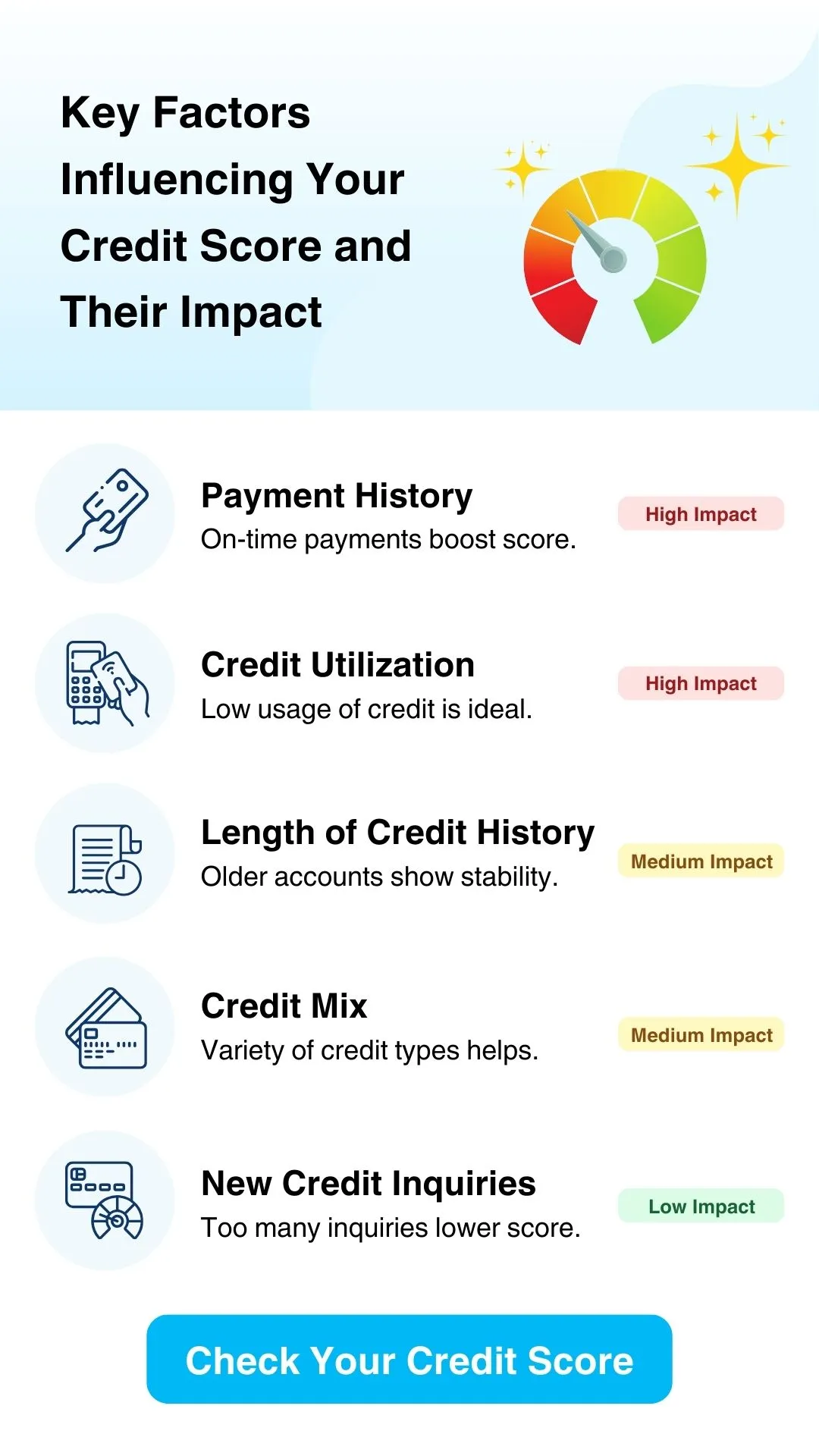
Credit Score is calculated by analysing factors such as payment history, credit utilization, credit length, credit mix and recent credit inquiries. These elements are assigned specific weights, and their collective assessment determines an individual’s creditworthiness.
1. Payment History: Your CIBIL score can be positively or negatively impacted by your payment history. Paying your credit card bills and loan EMIs promptly will enhance your credit score. Delaying or skipping payments will lower your score. Therefore, it is important to avoid such payment behavior in order to maintain a high score. According to a CIBIL study mentioned in the Financial Express, a 30-day delinquency could result in a decrease of 100 points in your CIBIL score.
2. Credit Exposure: The credit utilization ratio, or credit exposure, is the second most important factor influencing your CIBIL score. The credit utilisation ratio is the ratio of credit used to your total available credit limit. According to professionals, it is recommended to utilize no more than 30% of your overall credit card limit. A high ratio of credit utilization indicates a strong desire for credit and difficulties managing finances. Due to excessive credit card usage, lenders may consider you a high risk for default and possibly reject your application.
3. Credit Type and Duration: If you have a lengthy credit history, it indicates that you are experienced in managing credit. Credit history is the length of time since you first opened a credit account. Hence, it is recommended to establish a credit history early on as it will be beneficial when seeking larger loans for purchasing a home or a vehicle in the future.
Consideration is given to the type of credit when determining your CIBIL score. Keeping a stable mix of secured loans (such as home or auto loans) and unsecured loans (like credit card debt) is crucial. Having both secured and unsecured credit on your credit report indicates that you have experience managing both forms of credit effectively.
4. Other Factors: Another element that contributes to the calculation of your CIBIL score is hard inquiries. Lenders obtain your CIBIL report from the credit information company when you apply for credit like a loan or a credit card. Multiple hard inquiries will negatively impact your score. It is advisable to refrain from applying for several credit lines simultaneously.
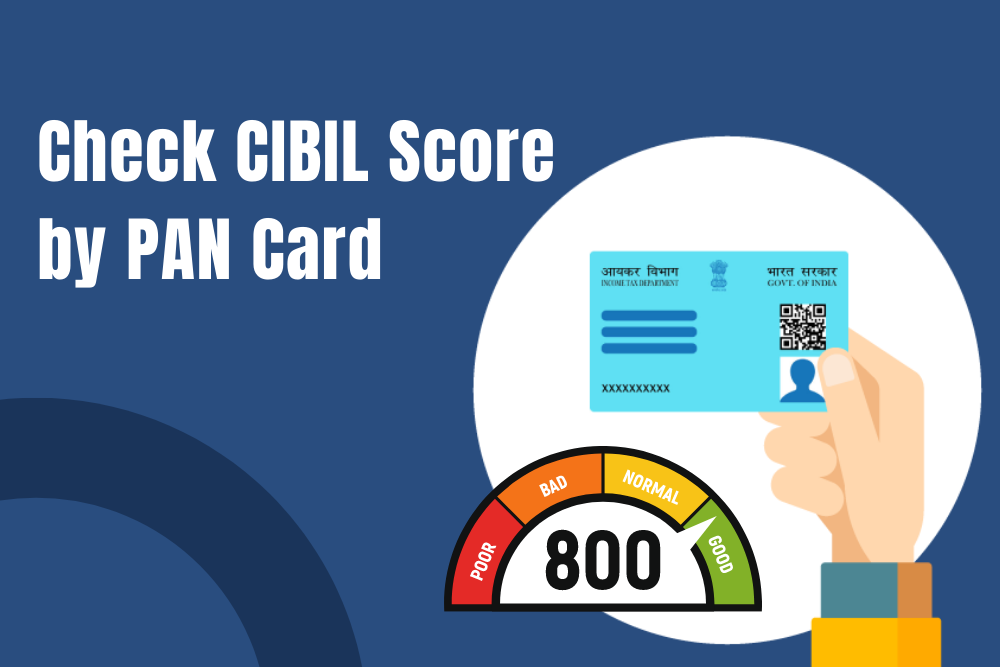
Also Read: Check CIBIL Score by pan card
What is a Good Credit Score?
A Good Credit Score is a classification for an individual’s credit history, indicating the borrower has a relatively high credit score and is safe credit risk. Credit Scores are provided through credit reporting agencies. Lenders check credit scores for the purpose of providing credit underwriting decisions and background check details.
Credit Score Range and Meaning
The word ‘CIBIL score’ is also associated with ‘credit score’. CIBIL stands for Credit Information Bureau India Limited, an Indian credit rating bureau that has access to your credit information. Credit Score ranges from 300 to 900. Credit score range and their meaning are as follows:
| Range | Status |
|---|---|
| 300-579 | Poor Credit |
| 580-669 | Fair Credit |
| 670-739 | Good Credit |
| 740-799 | Very Good Credit |
| 800-900 | Exceptional Credit |
RBI’s New Credit Reporting Rules
Effective from January 1, 2025, the RBI wants lenders to report credit data at least once a fortnight, on the 15th and the last date of month. This is expected to ensure better risk management and more responsible credit behaviour.
Key Directions given by the RBI notification:
1. Updating every Fortnight: CICs and banks must update credit information they gather and retain within a period not exceeding fortnight, that is the 15th day and last day of every month, or any other more frequent intervals.
2. Provision of Information: Banks must submit to CICs the credit information on bi-weekly basis within 7 days of the end of reporting period.
3. Ingesting data within five days: Credit companies are required to process the credit information received from banks according to their data acceptance criteria within seven days of receipt, which will now be changed to five days after getting the data.
4. Not Abiding by the rules: Credit companies will provide the RBI (Department of Supervision) with a list of banks that do not comply with the bi-monthly data submission deadlines twice a year, on March 31 and September 30.
Important Factors that Affect your Credit Score
1. Credit Repayment History: This shows how consistent you are in making timely payments. If you’re paying your installments on time, your credit score is likely to boost up as this is the most important factor of your credit score.
2. Outstanding Debt: You should always make sure to clear off your outstanding debts. When you have unpaid dues reflected on your credit report, it takes a toll on your score. It is advised to pay off the outstanding dues even if the amount is small.
3. Credit Utilization: It tells your total credit limit and how much you have used till now, i.e. how much you owe. The less credit use, the better your score will be. It is advisable to maintain the credit utilization ratio below 30%. However, a high credit utilization ratio occasionally would not have a very serious impact on your credit score.
4. Making Multiple Credit Applications: When you apply for a loan or credit card, lenders assess your creditworthiness by reviewing your credit report, which results in a hard inquiry. Submitting multiple applications in a shorter period triggers several hard inquiries, which can negatively impact on your credit score and make you appear credit-hungry.
Also Read: 25+ Low Credit Score loan App List
Impact of CIBIL Score on your Loan & Credit Card Eligibility
Most lenders have a minimum CIBIL score requirement for Loan and Credit Card applicants. While the exact cut-off varies across lenders, a score of 750 or above is generally considered good. A high CIBIL score indicates responsible credit behaviour and makes you a low-risk borrower, increasing your chances of loan approval. For a credit score below 650, credit card issuing banks could reject your credit card application.
Credit Score for NRIs
The best CIBIL score for NRIs is typically above 750, which helps secure better loan terms like lower interest rates and higher loan amounts. For NRIs, maintaining a good score is especially important, as banks look closely at credit history to assess the risk before approving home loans. The Best CIBIL score for NRIs makes the entire loan process smoother, offering more favourable conditions to the borrowers.
Reasons Why you have a Low Credit Score
1. Late Payments: Your CIBIL score is greatly influenced by how you have paid off your debts. Failure to make timely payments on loans or credit cards can result in a decrease in your credit rating. Failing to meet deadlines on a regular basis has a detrimental effect on your credit score.
2. High Credit Usage: Maxing out a significant amount of your credit limits can indicate financial troubles to creditors. It is best to try to maintain a credit utilization ratio that is under 30%. Having a high usage of credit can indicate a heavy dependence on it, potentially causing a decrease in your credit score.
3. Defaulting on Loans: Failing to repay a loan can have a lasting negative effect on your credit report for years to come.
4. Too many Enquires or Applications: Every time you request credit, lenders conduct a rigorous investigation to evaluate your creditworthiness. Making several loan applications or inquiries within a brief timeframe can reduce your score because it may suggest you are urgently seeking credit.
5. Outstanding Dues: If there are too many outstanding dues on your existing loans, it can adversely affect your CIBIL score. Lenders look at the overall health of your credit history and outstanding dues on closed accounts can be a concern.
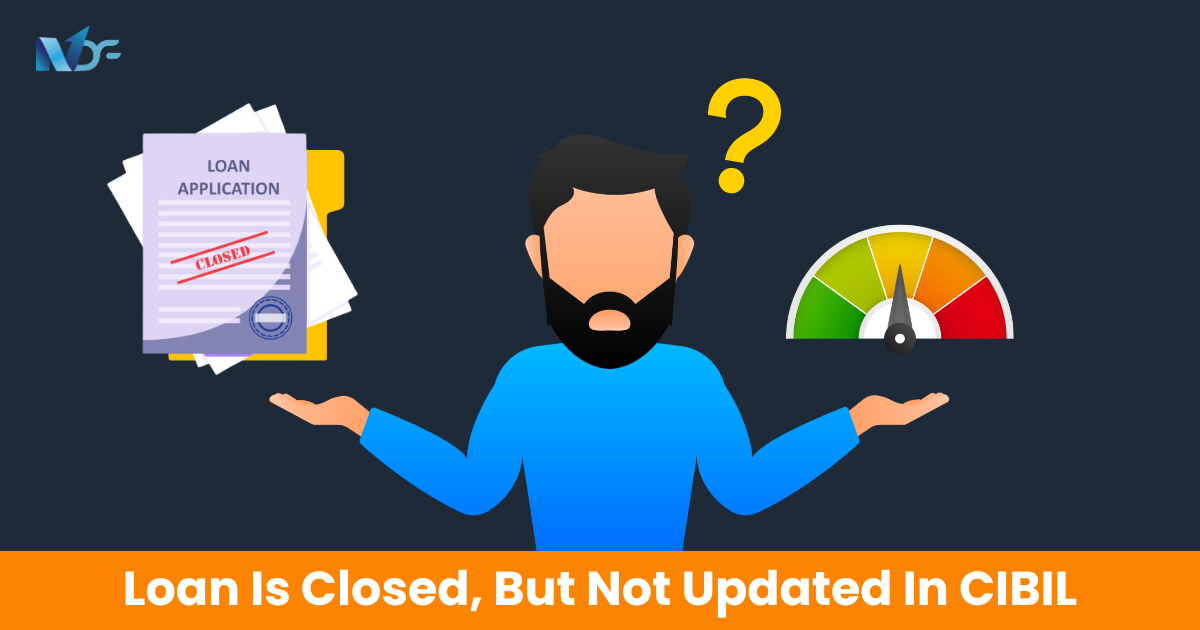
Also Read: Loan Is Closed, But Not Updated In CIBIL
How to Improve Credit Score?
1. Establish reminders or recurring instructions to ensure timely repayment of loan EMIs: Failing to make your loan EMI payments on time will harm your credit score. Being conscious and timely in settling your loan EMIs or credit card dues is important. Missing or delaying EMI repayments can result in paying penalties and experiencing a significant decrease in your credit score. To prevent payment delays, you can either schedule reminders for timely repayment or authorize Standing Instructions (SI) for automatic deductions from your bank account at set intervals, typically monthly.
2. Clear all Credit Cards Dues on Time: Make a strategic plan to pay off your credit card debts before the deadline. Failing to pay dues and consistently defaulting on payments can greatly impact your CIBIL score, potentially bringing it below 600. Not meeting the deadline will be shown in your CIBIL report under the Days Past Due (DPD) section. Despite the fact that interest will begin accruing on the unpaid balance in the next billing period, you will have another cycle to pay off your debts and avoid damaging your credit score.
3. Confirm errors in your CIBIL Report: Even though you may have a good credit history, there could still be numerous hidden errors that might hurt your credit score. Such errors can include personal data being wrong, account details wrong, accounts and due/paid amounts wrongly updated, and duplicate accounts, amongst Days Past Due or collateral data.
For example – Although you have paid off your loan fully and closed the account, due to some administrative error of the lender, it still is showing as current. It may likely decrease your credit score massively. In addition, it should be checked for every other error and suspicious activities too. Correct these issues by making a complaint to CIBIL through their official online portal. Once those errors have been corrected, your credit score could rise by a huge amount.
4. Get a Secured Credit Card Offering Security: Having closed credit accounts and failing to make timely repayments can have a substantial negative impact on one’s credit score. Lenders would not choose to provide a credit card or loan to those applicants. Before you can apply for the credit product, you must improve your credit score to boost your creditworthiness. In these situations, you have the option to choose a secured credit card secured by a predetermined deposit. The secured credit card application can be approved easily because the credit score is not taken into consideration. After receiving it, make sure to use it responsibly and pay off debts promptly in order to begin improving your credit rating. Although your credit score may not see immediate improvement, it can still be beneficial in the long term.
Also Read: How to Increase CIBIL Score from 600 to 750
Advantages & Disadvantages of Credit Score
Advantages of Credit Score:
Better chance of Getting a Credit Card Loan Approval
Lower Interest Rates on Credit Cards and Loans
More Negotiating Power
Better Chance of Approval for Higher Borrowing Limits

Disadvantages of Credit Score:
You pay more for your loan
Your Insurance Premiums may go up
Tougher times with utilities, including the internet
Too big risk for mainstream lenders
Steps to Check Credit Score for free from OneNDF

Step 01
Visit the Credit Score Page
Step 02
Click on the ‘Get Free Credit Report’.
Step 03
Fill in your name, DOB, PAN Card, Mobile number, Email ID, etc.
Step 04
An OTP will be sent to your mobile number for verification.
Step 05
You will receive your credit report on your Mail and WhatsApp.
What is the Difference between Credit Score & Credit Report?
| Basis | Credit Score | Credit Report |
|---|---|---|
| Definition | A numerical value that represents your creditworthiness between the range of 300 to 900. | A detailed report showing the consumer’s credit history, including credit account payment history and other financial information. |
| Purpose | To provide lenders and other entities with a concise summary of a consumer’s creditworthiness. | To provide a comprehensive account of a consumer’s credit history. |
| Range | Typically, scores range from 300 to 900, with higher scores indicating great creditworthiness. | No specific range |
| Importance | Can significantly affect a consumer’s ability to obtain credit, such as loans or credit cards. | Lenders and other entities can use it to assess a consumer’s creditworthiness. |
| Factors Affecting | Payment history, credit utilization, length of credit history, types of credit used, recent credit inquiries by the lenders, new credit, etc. | Credit accounts, payment history, public records and other financial information. |
Why OneNDF
Why Check your CIBIL Score from OneNDF?
OneNDF helps you to check, track and build your score through the following factors:
1. Free and Convenient: OneNDF often provides free access to your CIBIL score. This makes it convenient and accessible for you to check your credit standing. It is an online procedure that can be completed from the comfort of your home.
2. Accuracy: OneNDF, while providing CIBIL score check, uses authentic data providers to reflect the score you will see with your correct credit health as per your financial history and current debts.
3. Complete CIBIL Report: You get a detailed document that includes a breakdown of your credit history which includes, credit score, credit summary, etc.
4. Soft Pull: It makes it a safe way to monitor your credit health. It doesn’t impact your score, so you can check it regularly without worry. Soft pulls also help detect fraud and track any changes in your credit status.

Related Articles










FAQs
CIBIL score is a three-digit numeric summary of your credit history. The score is derived using the credit history found in the CIBIL report.
A credit score is a number from 300 to 850 that rates a consumer’s creditworthiness. The higher the score, the better a borrower looks to potential lenders.
A CIBIL score above 700 is usually considered to be a good score.
A credit score of 1, also known as “NH” or “No History”, means that there is no credit history information available for a borrower.
As per the RBI’s directives, the credit bureaus shall give access to FFCR (Full Free Credit Report) once a year to everyone whose credit information they hold. You can request your free credit report anytime once in a year from CIBIL’s official website.
Maintaining a Credit Score of 750 and above is generally considered good as it depicts that you have shown discipline while handling your finances and it also makes you a creditworthy customer. A good CIBIL Score of 750 and above also improves your chances to get approved for credit products like loans and credit cards.
The only difference between CIBIL and credit scores is that credit scores can be provided by any of the four credit bureaus in India, while CIBIL scores are only provided by TransUnion CIBIL. Both CIBIL scores and credit scores are equally valid and are used by lenders to assess a borrower’s creditworthiness.
A credit score is calculated on five factors: your payment history, amount owed, new credit, length of credit history and credit mix.
Here are some methods:
1. Correct the errors from on your credit report
2. Make timely payments
3. Take shorter loans
Here are some methods:
1. Limit your loans
2. Diversify your credit
3. Maintain your Credit Utilization Ratio
The minimum CIBIL score for a loan is between 720 and 750. Having this score means you are creditworthy and lenders will approve your loan application quickly.
As your PAN card is associated with all the financial banking accounts, thus it helps the Credit Information Companies (CICs) or credit bureaus to easily locate your details and further help them in the loan approval process.
Only errors can be deleted from your credit report. Correct information cannot be removed and stays on file for at least seven years.
A phone number is required when checking your credit score because it acts as a crucial verification tool, allowing credit bureaus to confirm your identity and contact you regarding any discrepancies or important updates related to your credit report.