

Around half of the 14,000 startups founded from 2016 to 2021 belonged to the Fintech Industry, as mentioned in the report.
Key Highlights
- The lending undertaken through Fintechs may exceed lending through traditional banking, according to the CAFRAL report.
- The rise in UPI transactions is correlated with the growth of Fintech Lending, as per the report.
- Innovative markers to assess a borrower’s creditworthiness have helped make the process of assessing a borrower’s creditworthiness smoother.
The Fintech sector may overtake traditional banking in terms of lending by 2030, according to a report by the Centre for Advanced Financial Research and Learning (CAFRAL).
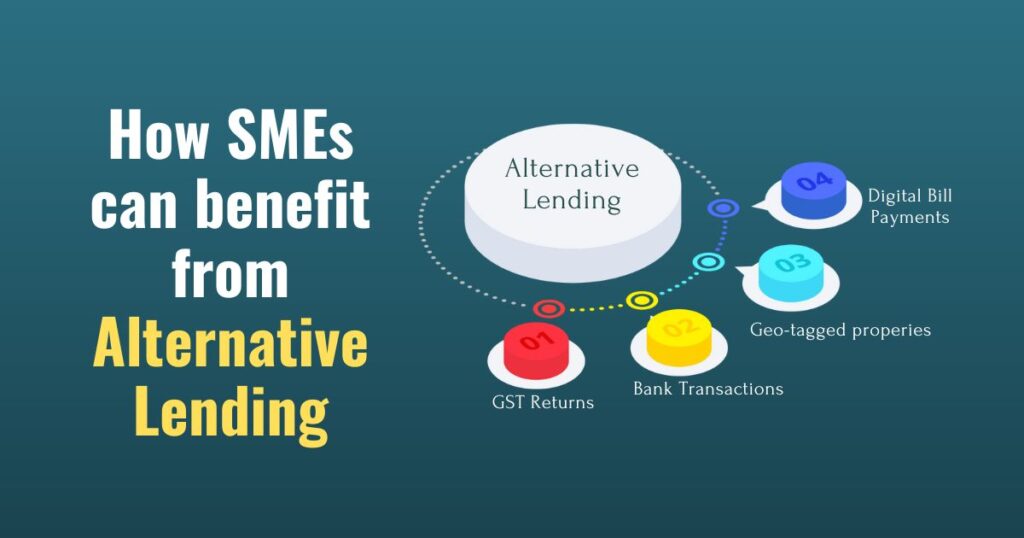
CAFRAL, an entity promoted by the RBI has mentioned in a report that Fintech lenders usually rely on alternative sources of information, thus allowing them to reduce the cost of the digital services, in turn reaching out to more customers who were earlier out of the institutional financial network.
The report contends that the Fintech industry has increased its distribution channels and incorporated more product offerings for customers. It further cites RBI data from 2021, which revealed that around 1,100 lending apps were available for Android users across various application platforms.
It also mentioned that the ability of Fintech lenders to capitalise upon growing digitalisation allows them to reduce the turnaround time for credit applications, thus providing a superior customer experience when compared with their traditional counterparts. This, the report believes can significantly bridge the gap in credit disbursement that exists across geographies.
However, an interesting trend observed in the report is that more and more fintech lenders are now focusing on consumption loans, with the share of business loans in the sanctioned amount showing a declining trajectory. This trend was also corroborated by a report by TransUnion CIBIL postulating that the growth in personal loans for consumption is driving the growth of Fintech players in India.
The Growth of Fintech Lending

The report provides several factors that have acted as enablers for the growth of Fintech lending and the trends being observed as the industry continues to expand. It reveals that from 2016 onwards, around half of the 14,000 startups founded in the country belong to the Fintech Industry.
Digitalisation
It mentions that deeper penetration of smartphones and digitalisation through various products/services in the India Stack has helped in the adoption of digital lending, a share of which was occupied by the Fintech Lenders.
Artificial Intelligence
The report interestingly mentions the usage of Artificial Intelligence (AI) to make the process of checking a borrower’s creditworthiness smoother and more accurate with innovative markers.
This trend mentioned in the report is in fact discernible, with various lenders now offering GST Surrogate or Banking Surrogate programmes.
Unified Payments Interface (UPI)
The report postulates that the adoption of digital payments usually leads to higher Fintech activity globally.
It shows that UPI and Fintech Lending have grown in tandem, with the rise in UPI transactions showing a positive association with Fintech lending.