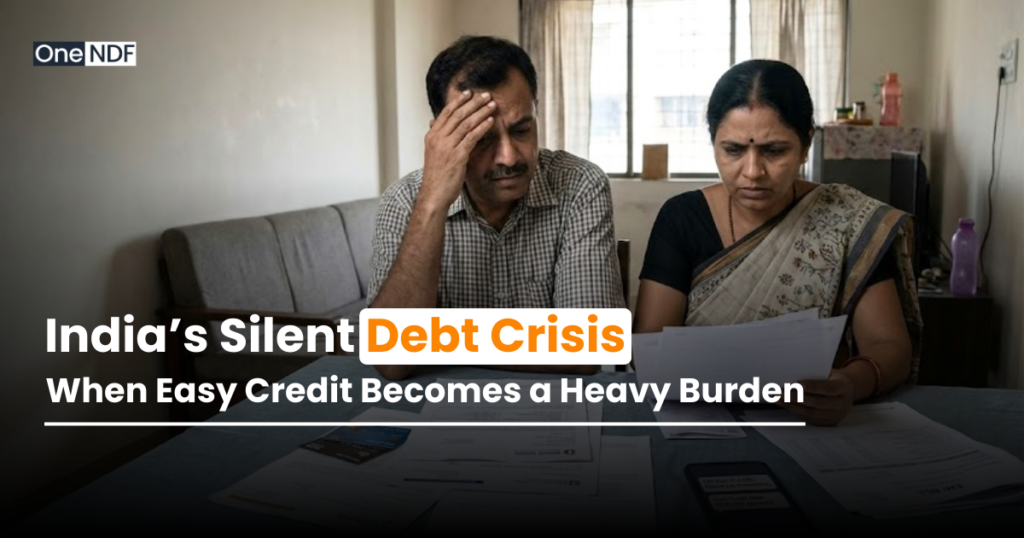


Taking a loan is rooted in trust—both parties expect their agreement to hold steady until repayment is complete. But what if life throws a curveball and the borrower can’t meet those terms? This scenario, known as a loan default, can create ripples of financial strain. Fortunately, a Direct Selling Agent (DSA) or DSA loan agent can step in to ease the turbulence, offering guidance that helps borrowers stabilize and lenders recover. In this article, we’ll explore how a skilled DSA can turn a potentially dire situation into a more manageable one, ensuring both sides emerge with their interests protected.
What is Loan Default?
Loan default occurs when a borrower fails to fulfill the legal obligations or terms of a loan agreement through necessary payments made on time. This can lead to serious financial implications that depend on whether one is the lender or borrower. In case the borrower fails to repay some amount at the scheduled date, the lender may have various actions to take: charge penalties, start the legal measures, or even increase the interest rate. If a borrower fails to repay, then his or her credit score will be hurt, and he or she will face more difficulties in loans later. Monitoring loan defaults is very crucial in order to manage one’s financial wellbeing.
Also Read: What is CIBIL Dispute Resolution
Consequences of a Loan Default
Defaulting on a loan can have long term effects. Some major consequences of loan default are as follows:
- Impact on Credit Score: When you default, it affects your credit score negatively. When your credit score is negative or lower, it may cause difficulties for the future in securing another loan or may lead to higher than usual interest rates.
- Increased Interest Rates and Fees: In case of default by the borrower, penalties and fees may increase and interest rate applied to measure long term debt obligation repayments (total amount owed to be paid). This can lead to a cycle of debt that’s hard to break and can have severe financial implications.
- Legal Action: The lender may take legal action against the borrower, if it fails to pay back the loan amount on a specific period.
- Asset Seizure: If the loan is secured (like a mortgage), the lender can use the property to secure it. It can be a financial blow to lose an asset, but borrowers need to act quickly before that happens.
Also Read: How to Increase CIBIL Score from 600 to 750
How a DSA Agent can help Borrowers Avoid Loan Default
Direct Selling Agents (DSAs) are that link between the lender and borrower, specializing in helping borrowers find a loan suitable for their needs. And neither do they vanish into thin air once the loan is funded. Business loan DSAs, home loan DSAs, and so on play a significant role in the lives of a borrower facing a financial crisis, on the brink of default.
1. Providing Guidance in Loan Refinancing
In using the understanding they have on loan packages, DSA agencies can be helpful in helping customers restructure loans. DSA agents working in the loan desk can prove handy for loan refinance in terms of loan renegotiation with the creditor to expand payment periods or decrease interest rates to significantly lessen the pressure felt by customers.
2. Negotiating with Creditors
A DSA generally has a network of lenders and negotiates on behalf of the borrower. They can help in arranging alternative repayment options, lower interest rates, or even short pauses on payments, giving the borrower an opportunity to relax and stabilize their finances.
3. Educating Borrowers on Managing Money
Some DSA loan agents provide financial literacy tools, which empower borrowers to learn about budgeting and debt management. This may help borrowers manage their finances to avoid future defaults; knowledge is power.
Also Read: How to Become a DSA Partner?
4. Debt Consolidation Help
When borrowers have multiple loans, a loan DSA may suggest debt consolidation as a recommendation. Debt consolidation involves consolidation of multiple loans into a single loan with a uniform rate of interest and one pay schedule, making the whole process of repayment less complex and stressful.
5. Encouraging Communication with Lenders
DSAs encourage borrowers to discuss their financial difficulties with lenders. If lenders are informed early enough, they may be more lenient, and a DSA loan agent can help facilitate these discussions.
Steps to Avoid Loan Default
If you are struggling with loan payments and fear default, here are some which help to avoid loan default:
- Contact your lender early. Talking to your lender openly about your financial troubles can often result in flexible payment plans.
- Borrow money only when you can afford to pay it back. Tempting to borrow more than you can repay can lead to financial strain.
- Seeking professional help from DSA Agents, including personal loan DSAs, Business Loan DSAs and other loan products, can connect you with financial advisors to help you get back on track.
- Keep an eye on your credit score which can help you in understanding your financial standing. This regular check helps to reduce some mistakes or late payments that affect your credit report.
Also Read:
- DSA Loan Agent Registration Process in 7 Simple Steps
- Online Bank DSA Registration
- Your Own Business? DSA is the Best Option
Conclusion
In conclusion, understanding loan default, its effects and its repercussions is crucial for anyone who takes a loan. Comprehending these varieties and the risk of failing to pay allows you to make good financial decisions. It can lead to dire consequences, including affecting your credit score or having legal proceedings against you. Make sure you share your financial status with your lender to avoid the potential consequences later. Defaulting is a concept that will affect your credit rating, future loans, or even the opportunities in your job.
Partner with OneNDF and access lifetime earning opportunities with us. Experience Hassle-Free Documentation and Easy Disbursals. Connect with 120+ Banks/NBFCs for diverse loan options. Plus, get Top-Notch Customer Support every step of the way!