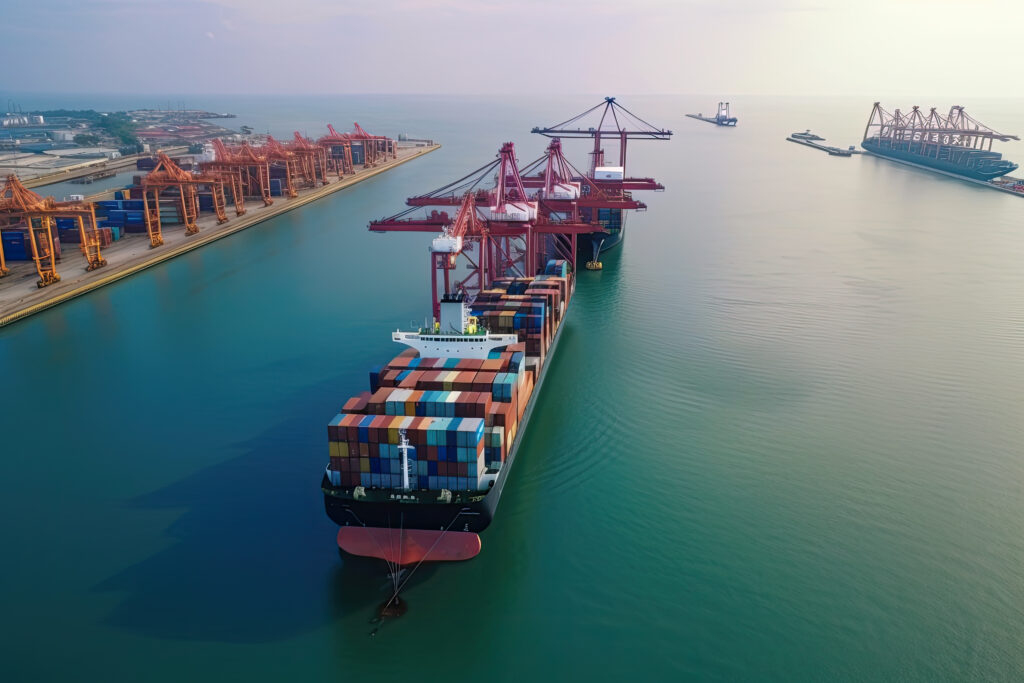

The Ministry of Steel had scheduled a meeting with Steel Mills in India on August 25th to take a stock-check of preparedness for the European Union’s Carbon Border Adjustment Mechanism (CBAM).
Key Highlights
- Meeting Scheduled on 25th August.
- The reporting period for importers commences from October 1st.
- CBAM impact on steel 15-40% of the exports.
The Ministry of Steel had reached out to the steel mills in India to review their preparedness for the CBAM measures of the European Union.
A meeting was scheduled for 25th August so as to address the issues and check the progress of the mills.
The recent meeting comes against the backdrop of an ICRA report gauging that the CBAM Impact on Steel from India could range from 15 to 40% of the exports to the bloc.
The reporting period under CBAM for importers will be effective from October 1 with the deadline for reporting on January 31st, 2024.
The details of the meeting are privy to its participants and could not be confirmed.
Indian Scenario: CBAM Impact on Steel

The Carbon Border Adjustment Mechanism is a set of measures put in place to penalise polluting industries that have their manufacturing facilities outside the European Union and thus, do not have to conform to EU’s pollution rules.
The CBAM impact on Steel has been perturbing for the exporters here since the Steel and Aluminium Industry is energy intensive.
The Steel Industry in India contends that the measures do not adhere to the principle of ‘Common but Differentiated Responsibilities’.
It is also uncertain whether the CBAM measures are compliant with WTO rules and the country is planning to challenge the measures in the WTO forum.
The Industry also objects to the uneven playing field given that the CO2 emissions per tonne of crude steel are already lower in developed nations when compared with developing countries.
While objecting to the uneven treatment, the Steel Mills have asked for a longer period for transition and are now using renewable energy sources like hydrogen to produce steel.