

A report by Elevation Capital and McKinsey India reckons the value-creation by the Indian Fintech Industry and Fintech-led business models to be around $400 billion by 2030.
Key Highlights
- Third highest Fintech players in India, only behind the US and the UK.
- Funding to the industry doubled to USD 5.8 billion since 2018.
- Fintechs have a minimal market share in Insurance Services, around 2%.
The report released by McKinsey India and Elevation Capital on 31st August has calculated that the value created by the Indian Fintech Industry and fintech-led business models by 2030 would be approximately USD 400 billion.
The report also approximates the share of the Fintech industry to increase from 3% to around 12% by 2030 in the revenue pool of Financial Services. This would translate to around USD 375 billion of market capitalisation for the Indian Fintech Industry. The current market capitalisation is estimated to be around USD 90-100 billion (Fiscal year 2022-23).
The Fintech Industry of India currently stands firm at the third position with the country hosting around 9,900 fintech players, only behind the US and the UK with 31,500 and 12,500 fintech players respectively.
According to the report, the funding to the industry in India has more than doubled since 2018, from USD 2.2 billion to USD 5.8 billion.
Breakup of the Indian Fintech Industry
The report provides a breakup of the Indian Fintech Industry to depict the penetration of the industry in different sectors.
While Fintechs play a dominant role in the Digital Payments sector, occupying a market share of around 70%, their role in insurance services remains minimal with around 2% market share.
Similarly, Fintechs have captured around 45% market share in the retail lending sector, and 50% market share in the investment and broking sector.
On the capital raised by Fintech players, the report estimates the retail lending vertical to have 75-80 players having raised more than USD 5 million, while 50-55 players existing in the SME lending vertical having raised the same amount. Both the verticals currently have 3 unicorns each (with a market capitalisation of more than USD 1 billion), as per the report.
Reasons for the growth of the Fintech Industry

The report postulates several reasons for the growth of the Fintech Industry, a few of them being-
1. Exponential increase in Digital Banking– With the country recording the highest number of digital transactions, the report estimates the penetration of digital banking to have grown around 3 times since 2018.
2. Digital Public Infrastructure– The Digital Public Infrastructure provided by the government is considered a major factor for the growth of Fintechs in India- from UPI to OCEN, the open networks have provided a conducive ground for the industry’s growth.
3. Ecosystem Enablers and Regulations– Procedural elements like e-KYC, Digital Signatures, Tokenisation of Cards and Currency have been considered important enablers in the report.
Challenges and Future of the Industry
The sustainability of the business model has been mentioned as a challenge to the industry going ahead. The report cites that around 40% of the participants in the Indian Fintech Industry struggle with finding a business model that is durable.
Apart from that, adherence to standards and risk compliance along with scalability have been identified as key challenges for the Fintech Industry.
Going forward, the report hypothesises that the Fintech sector may take three possible stances in future-
1. The Shaper– Fintechs having the dominant market share with high engagement with customers and a fee-based revenue model. Example- Retail Payments, B2B SaaS.
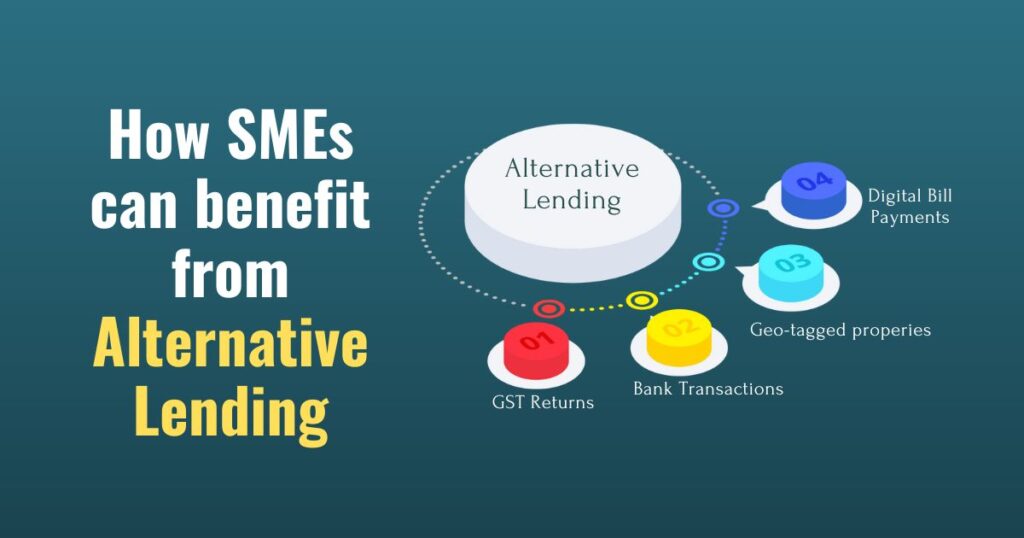
2. The Attacker– Fintechs working for the under-served in the system. Example- SME Lending, Credit Cards.
3. The Catalyst– Fintechs venturing into new domains with high risk and high rewards. Example- Cross-border SME payments, Business Insurance.
The exports of services from India have already shown resilience amidst weak global demand. The Fintech Industry could contribute to it with its strong growth numbers. With the rise of open networks and digital public infrastructure, the Indian Fintech Industry has opportunities galore to find its niche- be it increasing access to credit for SMEs, or providing SaaS to existing businesses.