
Overview
- RBI states that tax reductions in the budget could enhance the spending capacity of the middle class.
- New tax brackets, increased exemptions to retain additional funds for taxpayers.
- RBI observes an increase in rural demand, while urban consumption displays varied indications.
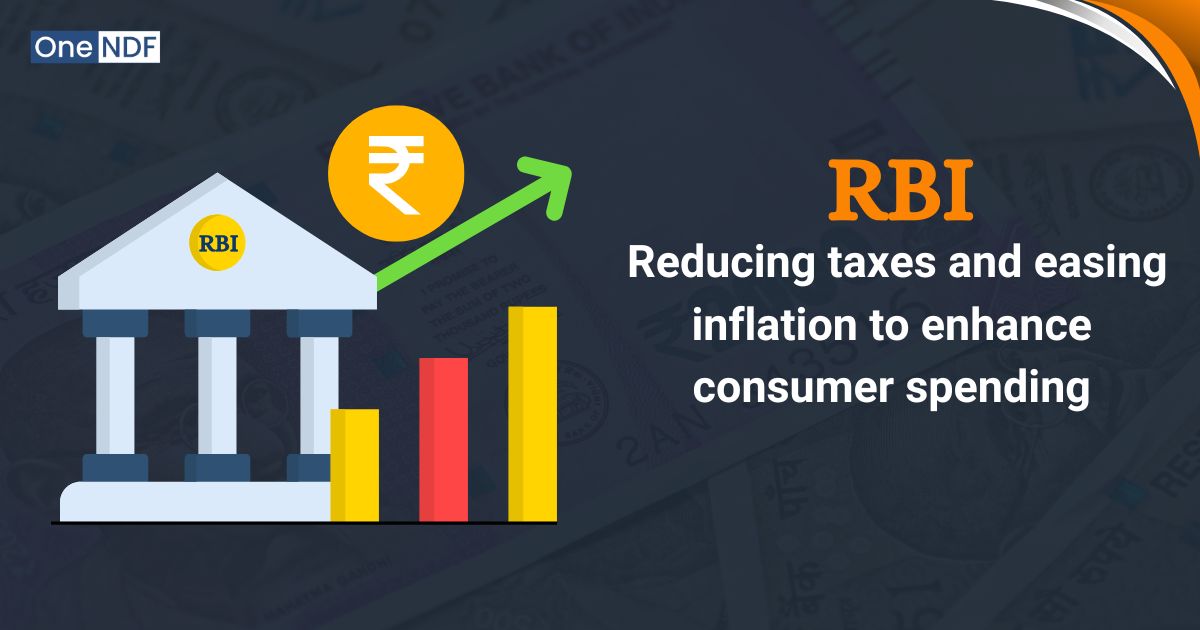
The Reserve Bank of India (RBI) stated in its latest bulletin dated February 19 that the tax cuts in the Union Budget 2025, along with falling inflation, should boost people’s spending. This was validated by the recently appointed RBI Governor, Sanjay Malhotra, in the February MPC meeting.
The RBI bulletin pointed out that the government has given a tax relief of Rs 1 lakh crore to the middle class, which should boost their disposable income.
Also Read: RBI Proposes Removal of Foreclosure Charges on Floating Rate Loans
“On the direct tax front, the Budget proposes tax relief of Rs 1 lakh crore focused on middle-class taxpayers, which is expected to bolster household disposable incomes, and stimulate consumption, savings, and investment. In the realm of indirect taxation, revised customs duties target tariff simplification and address duty inversions,” stated the bulletin in an assessment of the Union Budget 2025.
It stated that the gross tax-GDP ratio is budgeted to increase to 12 per cent in 2025-26, which is the highest post 2007-08.
“The tax relief is expected to enhance disposable incomes and provide a boost to household consumption and investments,” it said. The Union Budget 2025, presented by Finance Minister Nirmala Sitharaman on February 1, raised the tax-free income limit from Rs 7 lakh to Rs 12 lakh under the new tax regime.
Also Read: RBI Launches RBIDATA App: Revolutionizing Economic Data Access
In the new regime, the Union budget 2025 raised the income limit to be exempt from taxes from Rs 7 lakh to Rs 12 lakh. The tax slabs have been changed for each of the income levels. According to the government, there will be a loss of about Rs 1 lakh crore in direct tax revenue and Rs 2,600 crore in indirect taxes.
According to the RBI bulletin, the Budget seeks to enhance the expenditures but keeps a tab of the disbursement of funds. The capital expenditure-to-GDP ratio is projected to rise to 4.3% in 2025-26 from 4.1% in 2024-25 (RE).
During the February MPC meeting, Governor Malhotra stated, “rural demand continues to be on an uptrend, while urban consumption remains subdued with high frequency indicators providing mixed signals.”
Also Read: RBI Cuts Repo Rate to 6.25% After 5 Years, Projects 6.7% GDP Growth for FY26
He further stated that, “going forward, improving employment conditions, tax relief in the Union Budget, and moderating inflation, together with healthy agricultural activity bode well for household consumption.”
The MPC was in favour of this view, saying, “household consumption is expected to remain robust aided by the tax relief in the Union Budget 2025-26”.