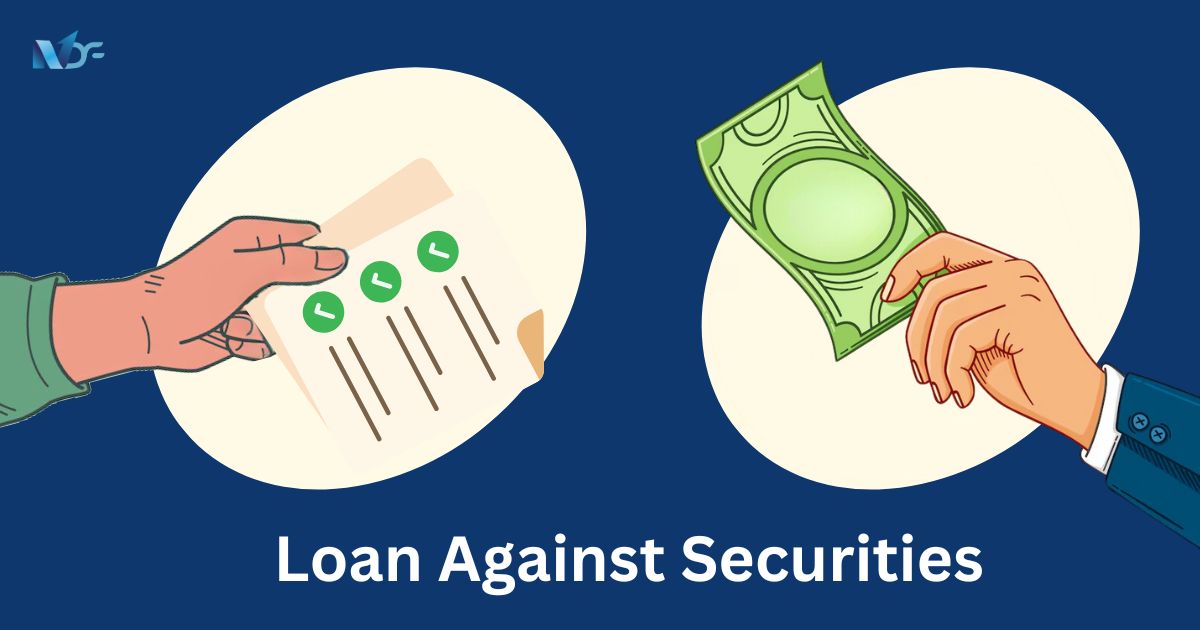
A Loan Against Securities (LAS) is a financing solution where banks lend money to applicants who pledge their securities, such as shares, mutual funds, bonds, and insurance policies, as collateral. This allows borrowers to leverage their investments without liquidating them, meeting their capital needs efficiently.
Eligibility Criteria for Loan Against Securities:
- Ownership of Securities: Borrowers must own eligible securities like stocks, mutual funds, or bonds.
- Loan Amount: Typically, borrowers need to own securities worth more than the loan amount sought, with the loan-to-value (LTV) ratio varying by bank.
- Age & Residency: Some banks may have age limits and residency requirements.
How Does Loan Against Securities Work?
- Security Valuation: The lender evaluates the value and liquidity of the pledged securities, determining the loan amount based on a percentage of their value.
- Loan Approval: After valuation, the lender finalizes the loan amount, interest rate, and repayment schedule.
- Loan Disbursement: Once the agreement is signed, funds are disbursed, usable for various purposes such as business investment or personal expenses.
- Repayment: Borrowers must repay the loan per agreed terms. If they default, the lender can sell the securities to recover the outstanding amount.
Interest Rates on Loan Against Securities (LAS):
Loans against securities generally offer lower interest rates compared to personal loans, typically ranging from 9% to 14%, depending on the lender and the value of the pledged securities.
Additional Charges on LAS:
Borrowers may encounter extra fees influenced by:
- Market Conditions: Interest rates can vary with market fluctuations.
- Lender Policies: Each lender’s risk assessment and cost of funds affect rates.
- Borrower Profile: Creditworthiness, loan amount, and tenure impact rates.
- Type of Security: The quality and type of pledged securities can affect the interest rate.
Check Your Credit Score in Free
Features of Loan Against Securities:
- Immediate Access to Funds: Easier and quicker approval compared to traditional loans.
- Lower Interest Rates: Secured by liquid collateral, making rates lower than personal loans or credit card debt.
- Retain Investment Portfolio: Benefit from potential appreciation in the value of pledged securities.
Types of Securities as Collateral:
- Demat Shares
- Mutual Funds
- Bonds
- Insurance Policies
- Fixed Maturity Plans
- Exchange Traded Funds (ETFs)
Why Choose OneNDF for Loan Against Securities (LAS)?
OneNDF, a leading online loan marketplace in India, brings over a decade of experience in providing tailored financial solutions. For businesses seeking a loan against securities, OneNDF offers comprehensive support, from application to fund disbursal. Here’s how OneNDF makes a difference:
- Expert Guidance: Navigating through loan application processes, comparing interest rates, and understanding LTV ratios.
- Personalized Solutions: Addressing individual borrower needs and creating tailored financial plans.
- Handling Margin Calls: Offering strategies to manage margin calls if the value of pledged securities depreciates.
- Customer Support: Available online and at the New Delhi head office for any queries or concerns.
Why SMEs Trust OneNDF:
- Problem Solving: Expert diagnosis and resolution of loan application issues.
- Legal Compliance: Ensuring all processes adhere to regulatory standards.
- Cost Efficiency: Negotiating the best rates and minimizing extra charges.
- Client-Centric Approach: Understanding and addressing the unique challenges faced by SMEs.
OneNDF’s commitment to understanding and solving borrowers’ problems ensures that SMEs achieve their business goals with the financial backing they need.
Final Thoughts
For SMEs, securing a loan against securities can be a smart financial strategy, allowing them to leverage existing investments without sacrificing future growth potential. OneNDF’s expertise and comprehensive support make the process seamless, ensuring that businesses can access the funds they need to thrive.
FAQs:
1. What happens to your dividends or bonuses during the loan period?
Even if your shares are pledged as collateral, you still receive dividends, bonuses, and other investment benefits.
2. Can you sell your shares during the loan period?
No, once your shares are pledged as collateral, you cannot sell them until the loan is fully repaid.