
In recent times, the rise of financial fraud has become a significant concern for individuals and businesses alike. The Department of Telecommunications (DoT) has issued a warning for mobile users to be cautious of receiving WhatsApp calls from foreign numbers, particularly those starting with +92, as they may be attempts to steal personal information or commit financial fraud.
The public has been asked by DoT to report such fraudulent calls via the ‘Chakshu-Report Suspected Fraud Communications’ facility on the Sanchar Saathi portal (www.sancharsaathi.gov.in).
Proactive reporting can help the DoT in deterring the abuse of telecom resources by criminals for cybercrimes and financial frauds.
“Individuals can check the mobile connections in their name at ‘Know Your Mobile Connections’ facility of Sanchar Saathi portal (www.sancharsaathi.gov.in) and report any mobile connection not taken by them or not required,” said the press release issued by the Ministry of Communications.
Individuals who have already fallen victim to cybercrimes or financial frauds have been directed to report the incidents to the cyber-crime helpline number 1930 or visit www.cybercrime.gov.in.
Understanding the Risks:
Fraudsters often impersonate government officials, threatening to disconnect mobile numbers due to alleged involvement in illegal activities. These scammers aim to deceive individuals into revealing sensitive information, which can then be used for cybercrimes and financial frauds.
Methods of Loan Fraud
Phishing:
Scammers use fake emails or websites to collect personal information, such as identity numbers and bank account details, which can then be misused to obtain loans in your name.
Data Breaches:
Hackers access a company’s database to steal personal data, which can be used to apply for loans and other credit-related products.
Processing Fee Scams:
Fraudsters contact individuals with fake loan offers, asking for an advance or processing fee before vanishing with the money.
Fake Loan Brokers:
Scammers target individuals with lower credit scores, posing as loan agents or brokers, and disappear after receiving a fee for a supposed successful loan application.
Read the News: Govt Cautions Users Not To Pick Up WhatsApp Calls From Foreign Numbers Starting With+92
Tips to Protect Yourself from Online Loan Fraud:
- Use Official Channels: Always contact your bank through official contact details found on their website or mobile banking application.
- Protect Your Data: Store payment details securely and change passwords or PINs regularly.
- Monitor Your Account: Regularly check your account and transactions to ensure no unauthorized activities are occurring.
- Verify the Caller: Always confirm the identity of anyone claiming to be a bank representative and read URLs carefully before clicking on any links.
What to Do in Case of Financial Fraud?
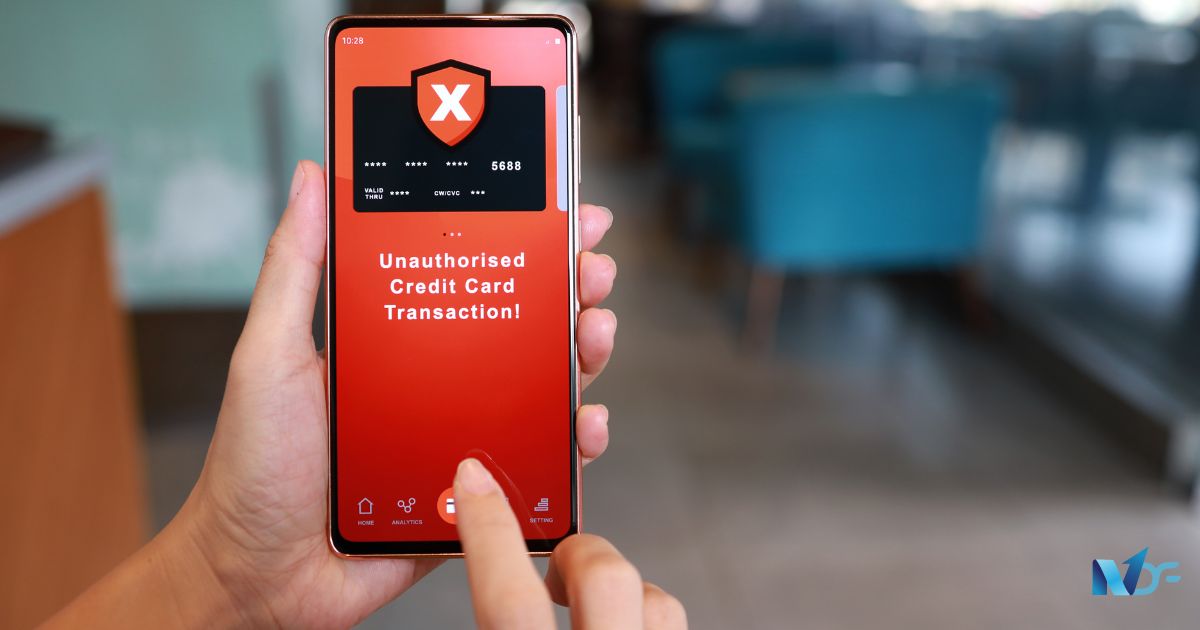
If you suspect you’ve been a victim of financial fraud, immediately inform your bank about any unauthorized transactions. According to the Reserve Bank of India (RBI), you may have limited liability if you notify your bank promptly. Report the incident to the cyber-crime helpline number 1930 or visit www.cybercrime.gov.in.
Conclusion:
In the digital age, staying vigilant against financial fraud is crucial. By understanding the risks, being cautious with your personal information, and following the tips outlined above, you can protect yourself from becoming a victim of these scams. Always remember, when in doubt, verify before you trust.