

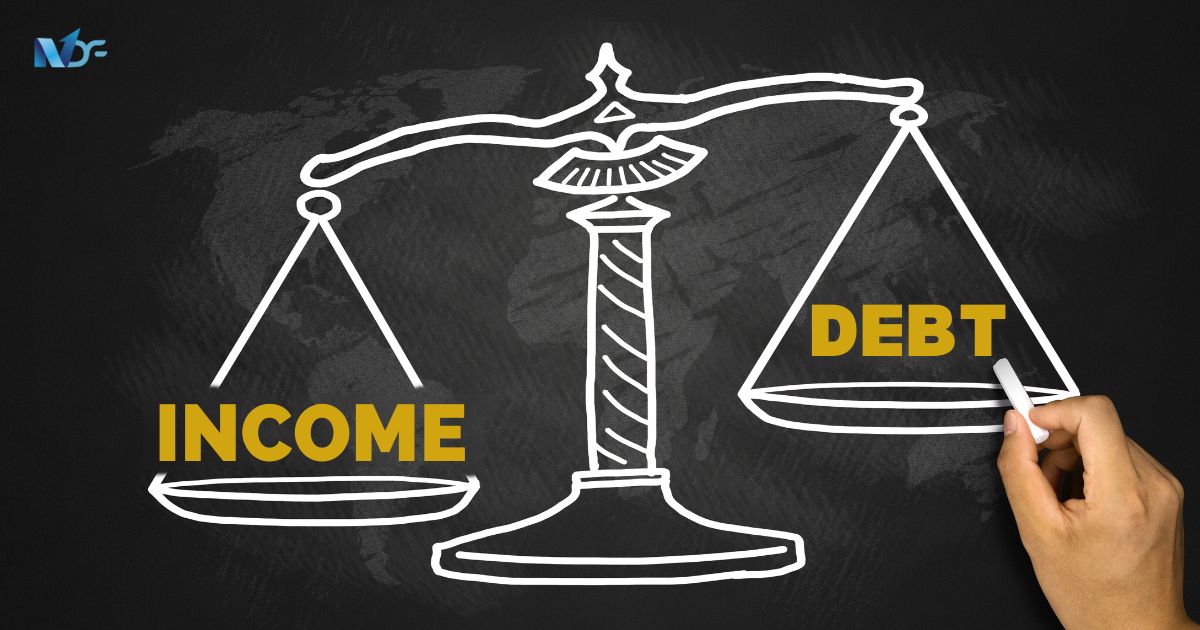
In its January 2024 monthly bulletin, the Reserve Bank of India (RBI) suggested using the Debt-To-Income (DTI) ratio as a new measure for evaluating the creditworthiness of individuals seeking retail loans. This proposal comes in response to the rapid growth in retail loans and the interconnectedness between banks and NBFCs.
Understanding Debt-To-Income Ratio (DTI)
What Is Debt-To-Income Ratio?
Your debt-to-income ratio (DTI) is a measure of how much of your monthly income goes towards paying off debts. It is calculated by dividing your total monthly debt payments by your gross monthly income (your income before taxes). A lower DTI ratio indicates a healthy balance between debt and income, making lenders more likely to approve your loan application. Lenders typically prefer a DTI ratio of 40% or less.
How to Calculate DTI?
Here’s an example to help you understand:
- Suppose you earn a gross monthly income of Rs. 2,00,000.
- Your monthly debt payments include:
- Home loan EMI: Rs. 40,000
- Car loan EMI: Rs. 4,000
- Credit card dues: Rs. 2,000
- Total monthly debt payments: Rs. 46,000
Your DTI ratio would be calculated as: DTI Ratio = (Rs. 46,000Rs. 2,00,000)×100=23%DTI Ratio=(Rs. 2,00,000Rs. 46,000)×100=23%
Calculate Your Monthly EMI Here.
Why Is DTI Important?
The DTI ratio helps lenders understand how much of your income is already committed to debt repayments. A lower DTI ratio suggests that you have a manageable level of debt relative to your income, which makes you a safer bet for lenders.
Suggested Read: Types of Debt Instruments
How To Improve Your DTI Ratio?
- Repay High-Interest Loans First
- Focus on paying off high-interest debts, like credit card balances, first. This reduces your total monthly debt payments and improves your DTI ratio.
- Avoid Taking on New Debt
- While trying to lower your DTI ratio, refrain from taking on new debt that could increase your monthly payments.
- Find Additional Sources of Income
- Boosting your income can help lower your DTI ratio. Consider part-time jobs or join OneNDF’s refer and earn program for extra earnings.
- Restructure Debts
- Restructuring existing debts can lead to more favorable terms, like lower interest rates or longer loan tenures, reducing your monthly payments.
- Budget and Expense Management
- Create and stick to a strict budget to manage your expenses effectively. Reducing unnecessary spending can help improve your DTI ratio.
- Consolidate Multiple Debts
- Consider a debt consolidation loan to combine multiple high-interest debts into a single loan with a potentially lower interest rate, simplifying payments and reducing monthly debt obligations.
- Regularly Monitor Your Finances
- Regularly reviewing your financial status helps you stay on track with your debt reduction goals and adjust strategies to improve your DTI ratio.
Check Your Credit Score in Free
Can Debt Consolidation Improve Your DTI Ratio?
Yes, debt consolidation can improve your DTI ratio. By combining high-interest debts into a single loan with a lower interest rate, you can reduce your monthly debt payments, thus improving your DTI ratio over time.
Also Read: what is debt financing?
Final Thoughts
If you’re seeking a retail loan, understanding and managing your DTI ratio is crucial. A healthy DTI ratio not only increases your chances of loan approval but also contributes to better financial stability. For more information and assistance, contact OneNDF through OneNDF Contact Us.