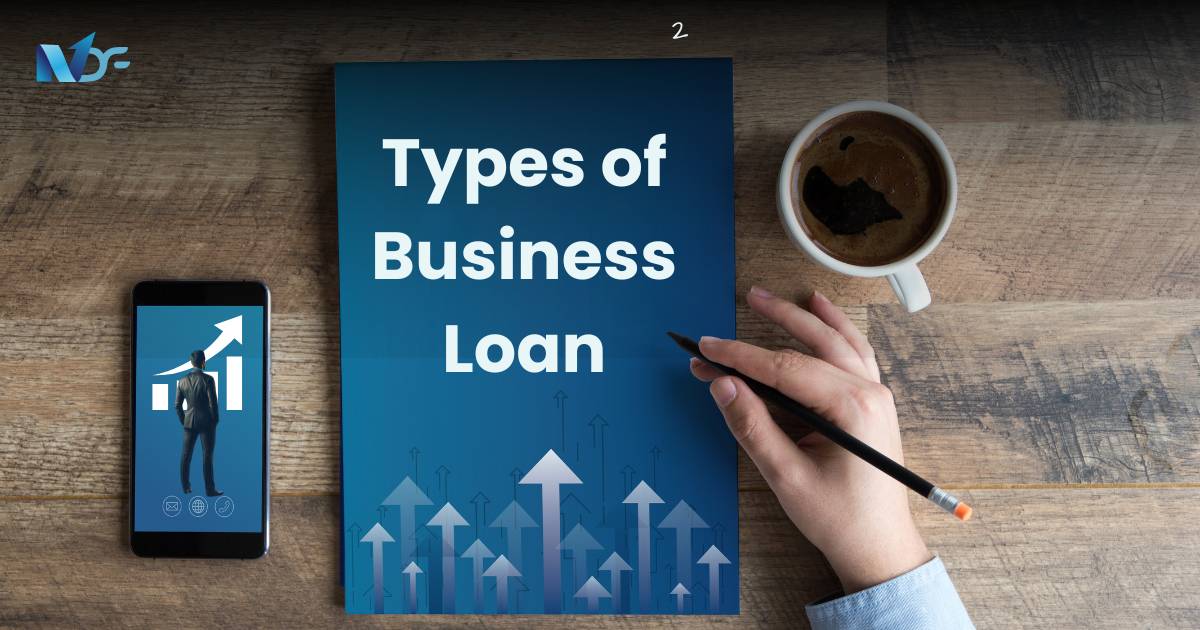
9 Different Types of Business Loans & How to Choose the Right One

Types of Business Loans in India

Reading Time: 7 minutes
9 Different Types of Business Loans and How to Choose the Right Business Loan for Your Needs

Starting and expanding a business involves certain basic steps, including creating a strong business plan, hiring the right employees, maintaining smooth daily operations, adhering to legal requirements, and more. Often, it also requires financial assistance in order to follow these steps. Business loans in India are an effective means to secure the funds needed to drive your business forward. Apart from just providing financial assistance it also provides tax benefits. 

Various business finance loans are available, each designed to meet specific needs. This article will help you understand the 9 different types of business loans and how to choose the right business loan for your needs.

Different Types of Business Loans in India

When discussing business financing the first thing that strikes our minds is “Loans”. The loans are essential tools that address a variety of needs. Whether it’s funding for new equipment or managing cash flow, there are loan options designed to meet almost any business requirement. Let’s explore these common types of business financing in more detail.

1. Term Loans

A Term Loan is the most popular form of bank loan for initiating a business in India and is offered by banks and financial institutions. This loan allows you to borrow a specific amount of money for a predetermined period at a fixed interest rate.

There are generally three types of Term Loans available – short, intermediate, and long-term. 

The repayment tenure for these loans can range from 12 months to 60 months or more, depending on the lender. Term Loans can be utilised for various business purposes, such as purchasing assets, expanding operations, or launching new projects. 

In most cases, collateral is required as security for Term Loans. However, the advantage is that interest rates on Term Loans are typically affordable, as it is a secured loan.

Also Read: What is Eligibility criteria for Business loan?

2. Overdraft

An Overdraft is a short-term borrowing arrangement that permits businesses to withdraw funds exceeding their bank account balance. Banks and financial institutions offer overdraft facilities against collateral or a set credit limit. Interest is levied only on the amount utilised from the limit, and there are no restrictions on how the funds can be used. This makes it an effective method for managing fluctuations in cash flow.

3. Factoring

Factoring also known as invoice discounting is a financing method where a company uses its unpaid invoices or accounts receivable to meet its working capital needs.

With factoring, a business can receive cash advances against its unpaid invoices to fund operations such as purchasing raw materials, paying salaries, and making vendor payments. Once the customer pays the invoice, the lender is repaid.

The advance/loan typically lasts for 90 to 120 days. Unlike bank loans, invoice discounting provides a quick cash flow boost without requiring collateral. The amount advanced by the invoice discounting company is based on the invoice value.

The finance provider charges a service fee known as discounting charges.

4. Business Loan Against Property

A Business Loan Against Property (BLAP) is a secured loan that allows you to borrow funds by using a commercial or residential property as collateral. Because of the collateral, these loans typically have lower interest rates and longer repayment terms. They are suitable for significant business expansions, asset acquisition, or debt consolidation, where substantial funds are needed, often in the range of lakhs.

5. Unsecured Business Loans

Unsecured Business Loans do not require you to provide any collateral to the lender. These loans are approved based on your creditworthiness, financial stability, and business profile.

They are ideal for businesses with limited assets or those seeking fast funding without risking their assets. However, being unsecured, these loans typically come with higher interest rates.

6. Equipment Loans

Equipment Loans are used to acquire new equipment or upgrade existing equipment. These loans do not require additional collateral, as the purchased equipment serves as the collateral itself.

In case of default, the lender has the option to seize the purchased equipment.

Typically, lenders (Banks and NBFCs) finance a certain percentage of the equipment cost, although some lenders may finance up to 100% of the equipment cost.

7. Commercial Loans

Commercial loans are term loans optimised for significant investments such as purchasing commercial property, funding major capital expenditures, or starting a new business.

These loans typically involve larger sums of money and longer repayment periods than standard term loans. They also often require a more rigorous application process and substantial collateral.

Also Read: Benefits of taking Business loans: Things you should know

8. Cash Credit

Cash Credit is a widely-used form of working capital loan. It is a short-term loan extended to businesses to fulfill their working capital needs. Businesses can withdraw funds up to a predetermined credit limit set by the lender. This limit is based on the available working capital in the business and future financial projections.

One of the main advantages of Cash Credit is that interest is charged only on the amount withdrawn. This offers flexibility and convenient access to capital for daily operations.

9. Bill Discounting

Bill Discounting is a process where a company sells its Account Receivable (outstanding debt) to a Financial Institution to receive immediate cash for its urgent financial requirements. 

The Financial Institution may verify the authenticity of the Account Receivable and the company’s creditworthiness before providing an advance against those debts. In return, the Financial Institution charges a Discounting fee as their commission. Therefore, the company receives an advance of an amount less than the face value of the bill (up to 90%).

How to Choose the Right Business Loan for Your Needs?

It is necessary for the borrower to understand that these business financing options to make an informed decision. Each has its pros and cons, so it is important to choose one that aligns with your business’s specific needs and capabilities.

Here’s how you can choose which loans works best for you and your business;

1. Identifying your business needs: Identifying the unique needs of your business is essential for choosing the right type of business financing. Some businesses may need to manage cash flow, while others might require new equipment or aim to expand.

For significant expansions or capital investments, a term loan or commercial loan could provide the necessary funds. However, if you’re dealing with irregular cash flow, then invoice factoring might be more suitable.

2. Understanding the Costs: When considering different types of business loans, it’s crucial to understand the associated costs, which typically include interest rates, fees, and the loan term.

The interest rate is the cost of borrowing money, usually expressed as an annual percentage rate (APR). It’s important to also consider other costs like origination fees, service fees, and potential penalties for late or early payment.

Sometimes, a loan might have a low-interest rate but high fees, making it more expensive overall. It’s essential to evaluate the total cost of the loan and not just the interest rate.

3. Checking the Flexibility: The flexibility of a loan can significantly impact its suitability for your business. Loans like a line of credit offer more flexibility, allowing you to borrow only what you need, potentially reducing interest costs.

For businesses with unpredictable or seasonal income, a flexible loan could be more suitable. This flexibility provides the freedom to manage funds efficiently and handle unexpected expenses or opportunities.

4. Evaluating Your Financial Health: Before approving a loan, lenders assess your business’s financial health, including your credit score, financial statements, and other indicators of financial stability and risk.

A strong credit score can lead to more loan options with better terms. If your score is low, focus on improving it before applying for a loan. Financial statements show your business’s income, expenses, and profitability, helping lenders determine if your business can afford the loan. 
Conclusion

Selecting the right business loan requires understanding your needs, evaluating costs and flexibility, and assessing your financial health. Visit our website today to explore the financial support available and begin your application process. Empower your business with the right financial backing from OneNDF.

FAQs

Q.1 Is business loan good for business?

Yes, business loans can be highly advantageous for businesses. They help meet working capital requirements, facilitate business expansion, and maintain cash flow during challenging times. In a fluctuating economic environment, business loans can enhance financial stability during periods of low business activity.

Q.2 Which type of business loan is the cheapest?

Secured loans generally offer some of the lowest interest rates because they are backed by collateral such as a home, gold, or vehicle. This collateral reduces the risk for the lender, resulting in lower interest rates for the borrower.

Q.3 What are the two types of loans?

Loans are categorised into two main types based on their purpose and security provided: Secured loans and unsecured loans.

Q.4 Can a business loan help save on taxes?

Yes, the interest on your business loan is tax-deductible. You can write off your interest payments as an expense, making them tax deductible. According to the Income Tax Act of India, you can claim a deduction on the interest paid on a business loan from your business profits.

Share

Check your Eligibility
Get your loan eligibility checked in just a few seconds.