

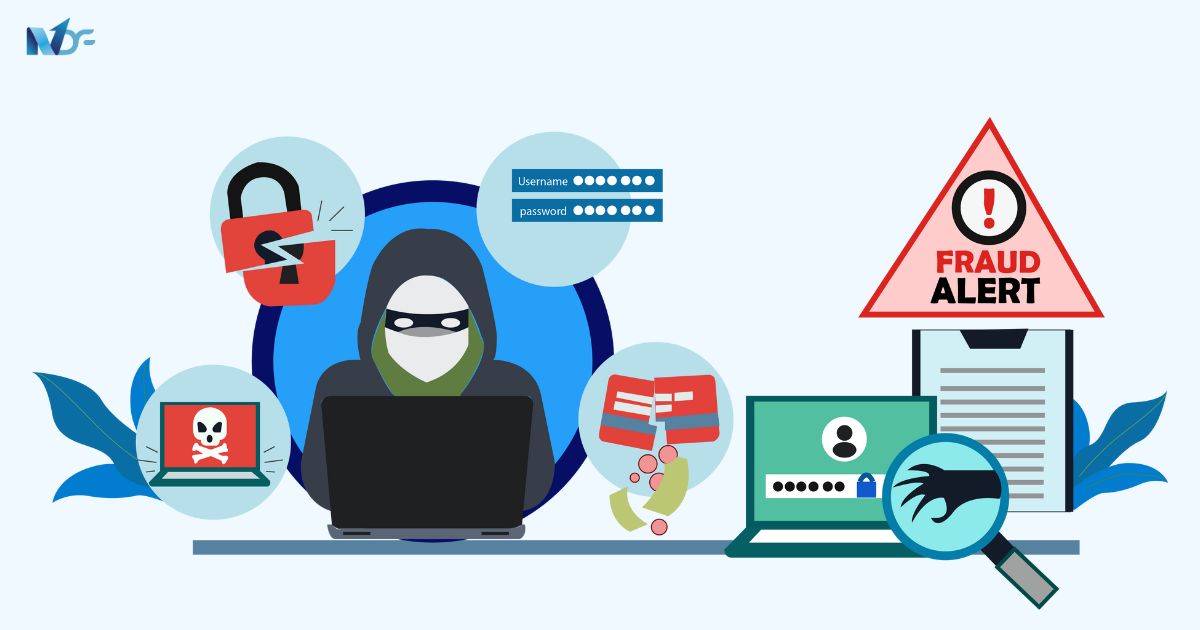
There has been an alarming rise in mule accounts in India, according to a report by BioCatch, a leading digital fraud detection company. What’s even more worrisome is that the majority of these mule accounts remain unreported. A mule account is an account deceitfully used by criminals to transfer illegally obtained money.
The Reserve Bank of India (RBI), the National Payments Corporation of India (NPCI), and the Ministry of Home Affairs are working closely with high-street lenders, last-mile financiers, and technology security firms to develop ways to detect mule accounts in the Indian banking system and prevent frauds.
What is Mule Accounts Fraud?
A mule account is an account deceitfully used by criminals to transfer illegally obtained money. The account holder, also known as a “money mule,” might not be aware they are engaging in unlawful activities. They receive funds into their account and then transfer them elsewhere, making it more difficult for authorities to trace the illicit transactions.
Fraudsters may contact potential victims via email, chat rooms, social media, etc., and convince them to rent out their bank accounts or cards or receive unknown funds in their bank accounts in exchange for a reward or other forms of consideration. Once the victims consent, the fraudster will use these accounts—known as mule accounts—to conduct unauthorized transactions or other illegal activities. People share their bank account details with scammers either willingly or unknowingly, allowing them to launder illegally acquired money.
According to a Free Press Journal (FPJ) report, the MHA has estimated a whopping 500,000 mule accounts in Indian banking systems, with a mere 200-300 mule accounts identified accurately using advanced analytical tools.
Mule accounts act as the unsuspecting pawns in a larger scheme of financial fraud, facilitating illicit transactions and complicating efforts to trace criminal activities. Understanding their role is crucial for developing effective countermeasures against such sophisticated schemes. – CA Shanni Sharma
Suggested Read:
- RBI Approved Loan Apps In India
- Fake Loan App List
- Tips to Identify Legal Vs. Illegal Loan Apps In India
How to Save Your Money From Mule Accounts Fraud?
- Do Not Accept Lucrative Job Offers: Stay away from lucrative job offers, rewards, or investment schemes that are suspicious or promise extraordinary returns/zero risk and ask you to share your banking details, including card and/or online banking login and password.
- Avoid Sharing Your Bank Account Details: Do not share your bank account details, including passwords, internet banking usernames and/or passwords, ATM cards, bank account numbers, and other sensitive information with random people. Regularly track your bank account transactions to ensure there is no unusual activity. If you notice any suspicious activity, report it to your bank immediately.
- Do Not Fall for Emails or Spam Calls Asking for Your Bank Details: Many times, account holders receive emails or spam calls from people identifying themselves as bank representatives asking for bank account details. Do not fall into this trap without verifying the identity of the concerned person.
- Regularly Track Your Account Transactions: Inspect your account transactions at regular intervals to promptly identify any indications of fraudulent behaviour.
- Choose Strong Passwords and Enable Multi-Factor Authentication: To protect yourself from financial fraud, use strong and unique passwords for each of your online accounts, including email, banking, social media, and shopping accounts. Additionally, enable multi-factor authentication by selecting verification methods such as SMS, email, or an authenticator app for extra security.