Can a Niche D2C Fashion Brand Win in a Crowded Market?
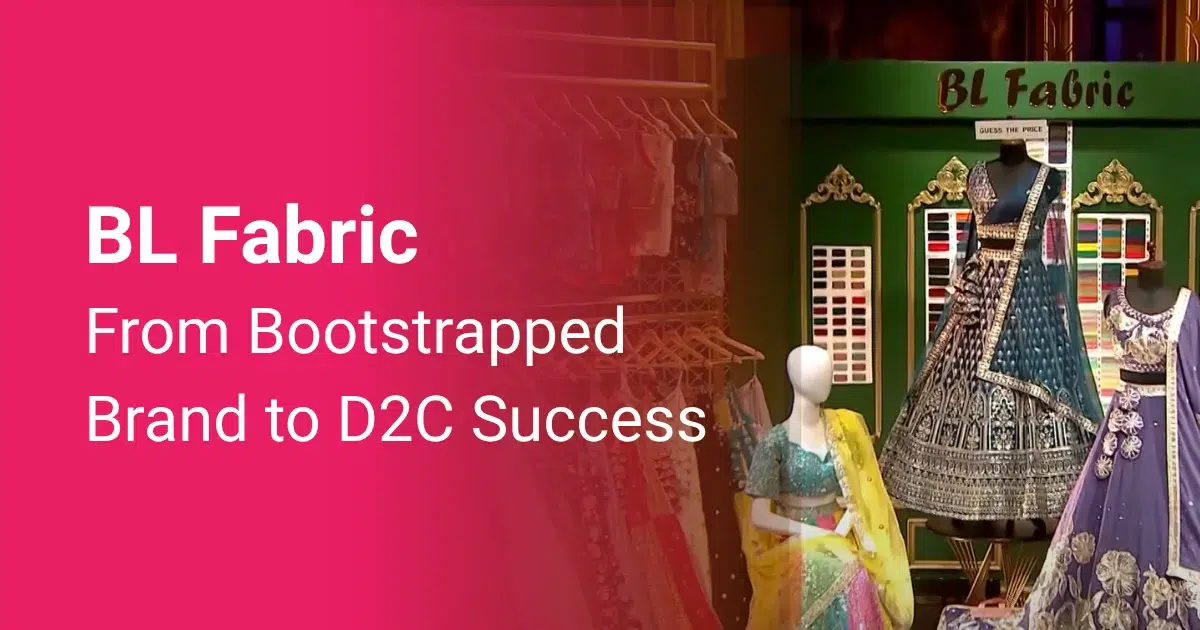
In the vast and ever-competitive landscape of Indian ethnic wear, BL Fabric has emerged as a standout brand — not by catering to everyone, but by focusing on one thing and doing it exceptionally well: custom-designed lehengas for the modern Indian woman.
Launched as a digitally native vertical brand (DNVB), BL Fabric identified a unique market whitespace where affordable luxury, modern aesthetics, and cultural identity could intersect. Today, it serves thousands of customers across India and the diaspora, offering curated bridal, festive, and occasion wear with a fully digital experience — from selection to personalization and delivery.
The Problem BL Fabric Was Solving
India’s ethnic wear segment is valued at over $20 billion, yet it remains deeply fragmented, with no dominant player in the lehenga category. The challenges were many:
- Offline Dominance: Most lehenga shopping still happens in retail outlets or designer stores — often time-consuming, geographically limited, and intimidating for younger shoppers.
- Lack of Design Transparency: Customers found it hard to verify fabric quality, embellishment details, or the actual final output — especially online.
- Pricing Opacity: Traditional lehengas often came with ambiguous pricing and high markups, making aspirational fashion inaccessible to the modern middle class.
- Zero Digital Trust: High-ticket ethnic wear purchases online were considered risky due to issues with fit, delivery timelines, and return policies.
BL Fabric tackled these issues head-on with a D2C-first strategy, leveraging digital storytelling, 3D cataloging, WhatsApp consultations, and transparent pricing — creating a seamless experience for the customer while maintaining strong control over quality and margins.
The Journey of Mayur Gedia: Scaling Dreams from Home to the Helm
A graduate with a degree in engineering from Surat, Gujarat, Mayur Gediya entered the clothing business in 2021 after gaining experience in his brother’s apparel business. He launched BL Fabric with a mission to make designer lehengas accessible. What began as a passion project from a home setup soon became a category-defining brand in designer lehengas, specializing in sequin, thread, and zari embroidery.
Gediya’s approach was different:
- No celebrity endorsements.
- No venture capital.
- No massive production runs.
Instead, BL Fabric focused on:
- Curated design drops.
- In-house manufacturing in Surat.
- Highly personalized D2C funnels powered by first-party data.
Key Differentiators of BL Fabric
- Made-to-Order Model with Competitive Pricing: By keeping production entirely in-house and offering semi-stitched lehengas, BL Fabric significantly reduces costs, offering products at prices 65-70% lower than the market average. This model also reduces inventory risk and allows for customer customization.
- Instagram-First Merchandising: Product discovery starts on social media. With over 860,000 Instagram followers and 2.4 million YouTube subscribers, managed single-handedly by Gediya, BL Fabric has become a moodboard brand: aspirational, yet accessible.
- Customer Acquisition via “Occasion Targeting”: Instead of demographic targeting, BL Fabric focused on “micro moments” — sibling weddings, farewell functions, and baby showers. This approach increased ROAS (Return on Ad Spend) by 2.5x.
- Transparent Pricing + Visualization: Each lehenga comes with an upfront breakdown of costs. Engaging video content showcasing the entire lehenga-making process builds trust and has garnered millions of views.
Also Read: FAE Beauty: Redefining Inclusivity in India’s Beauty Industry
The Business Model and Financial Discipline
- Revenue Model: 100% D2C sales through the brand’s own website.
- Customer Base: Served over 65,000 customers in its first three years.
- Gross Margins: 65–72% depending on the category.
- Average Order Value: ₹3000–₹24,000.
- CAC Payback: Within 40 days — thanks to a lean team and high organic traction.
The founder kept a tight lid on cash burn. Their early obsession with product-market fit and customer feedback helped BL Fabric grow sustainably without outside funding.
Sales Performance:
- FY 21-22: ₹1.42 Crores (4% net profit).
- FY 22-23: ₹1.85 Crores (5% net profit).
- FY 23-24: ₹5.25 Crores (3% net profit).
- Sales (Till Sept 2024): ₹5 Crores.
The Shark Tank India Pitch: A Turning Point
In a pivotal moment for the company, Mayur Gediya appeared on Season 4, Episode 2 of Shark Tank India in January 2025. He pitched his vision of making designer lehengas affordable for every Indian woman.
- The Ask: ₹1 Crore for 2% equity, valuing the company at ₹50 Crores.
- The Pitch Highlights: Gediya impressed the “Sharks” with the brand’s massive social media following, in-house production capabilities, and a portfolio of over 200 designs with 25 new ones launched monthly.
The Negotiation and The Deal
The pitch drew immediate interest. Sharks Namita Thapar and Vineeta Singh opted out, citing concerns about scalability and profit margins. However, Ritesh Agarwal (CEO, OYO Rooms) and Kunal Bahl (Co-founder, Snapdeal) saw significant potential.
- Initial Offers: Both Ritesh and Kunal separately offered ₹1 Crore for 5% equity, valuing the company at ₹20 Crores.
- Counter Offer: Gediya countered with a request for ₹1 Crore for 3% equity.
- The Final Deal: After deliberation, Ritesh Agarwal and Kunal Bahl joined forces to offer a combined ₹1 Crore for 4% equity.
The deal came with a crucial condition: If BL Fabric fails to achieve a minimum revenue of ₹15 Crores in FY24-25, the Sharks’ collective equity stake will increase to 5%.
Challenges Along the Way
- Scaling Personalization: Balancing scale and customization was tough. To overcome this, BL Fabric built semi-automated design modules and hired stylists who doubled as customer support.
- Returns & Sizing: Returns due to fitting errors were a concern. The team introduced video consultations and a “mock blouse” service — sending a prototype blouse before stitching the final piece.
- Vendor Dependence: Local artisans and vendors posed challenges in consistency and timelines. BL Fabric created standardized artisan protocols, digitized designs, and added weekly vendor performance metrics.
Learnings for D2C Brands
“If you can’t be everything to everyone, be everything to someone.” Niche Wins.
- Don’t Chase VC Too Early: Scale with customer money first.
- Experience > Product: Personal touches create viral word-of-mouth.
- Occasion Mapping is Smarter than Demographic Segmentation.
- Tech Is Culture: A disciplined, simple tech stack can be highly effective.
Also Read: Confect: How Gauri Varma Built a ₹100 Cr Vegan Dessert Empire & Conquered Shark Tank
Conclusion: What’s Next for BL Fabric?
The exposure from Shark Tank India has provided BL Fabric with a massive boost in visibility and credibility. While the deal is yet to be officially closed, the “Shark Tank effect” is already evident in increased website traffic and social media growth.
With a goal to become a ₹1000 crore business in the next decade, BL Fabric is now planning to launch a Ready-to-Ship line, enter GCC and Southeast Asian markets, and build a loyalty program. Their story is a blueprint for new-age fashion entrepreneurs: culture-led, systems-backed, and design-forward. In a world chasing growth at all costs, BL Fabric chose customer love and operational clarity. And that’s exactly why they’re winning.